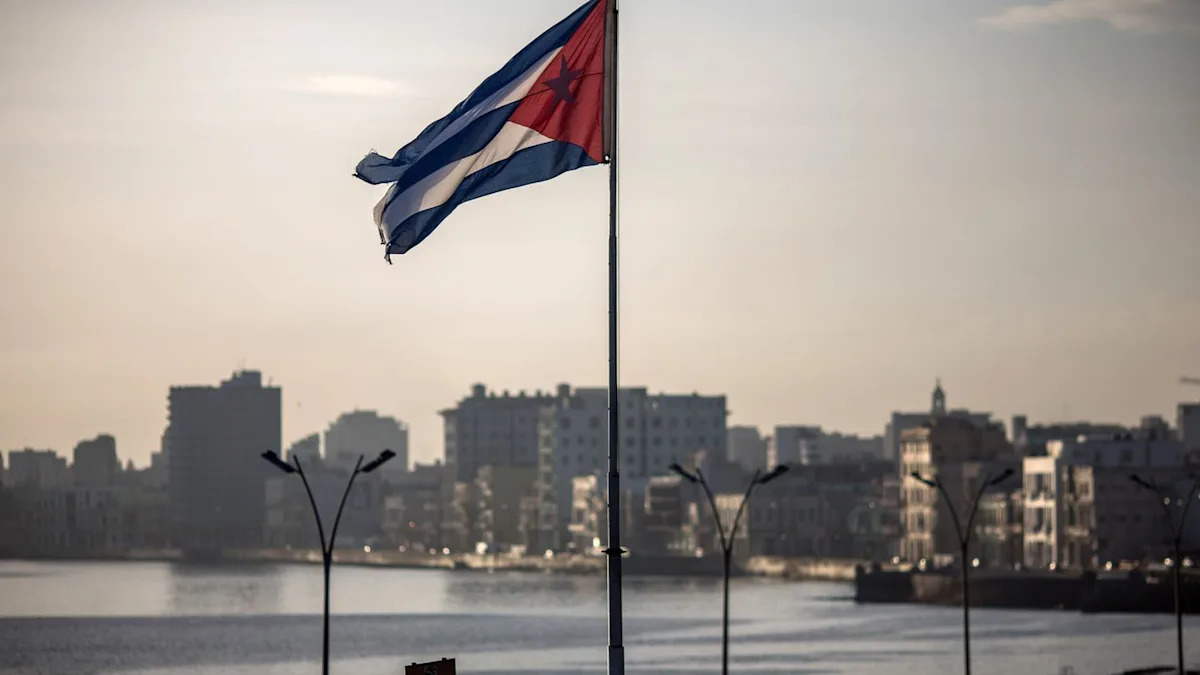
Recent reports have brought to light new and concerning details surrounding a fatal schusswechsel kuba, or shootout, that occurred near the shores of Cuba. This dramatic confrontation, involving the Cuban Coast Guard, has sparked international interest and raised questions about maritime security in the volatile Caribbean region. As authorities work to piece together the full narrative, initial accounts point to a tense standoff and a tragic loss of life, underscoring the complexities of border control and the dangers inherent in attempts at unauthorized entry.
Unraveling the Incident: What We Know So Far About the Schusswechsel Kuba
The core of the unfolding story centers on a deadly encounter off the Cuban coast, where the Cuban Coast Guard intercepted what they described as an attempted "infiltration" by armed individuals. While specific details remain under investigation, preliminary information suggests a highly dangerous situation that escalated rapidly. The Cuban authorities have indicated that their naval assets engaged with a vessel carrying these individuals, leading to a fatal shootout.
According to emerging claims, the incident involved a speedboat, and tragically, four individuals were reportedly killed. The mention of a "US speedboat" in some initial reports adds a layer of international intrigue and potential diplomatic sensitivity to the event. However, official confirmation and comprehensive details from all involved parties are still awaited. Such an incident highlights the constant vigilance required by maritime forces in the region, particularly given the various threats ranging from drug trafficking to illegal migration and potential acts of sabotage.
The Cuban government's narrative emphasizes the preventative nature of the operation, aiming to thwart an unauthorized entry by armed parties. This aligns with a broader policy of stringent border defense, particularly against perceived threats to national security. The precise motives of the individuals attempting the infiltration are still subject to speculation, but such attempts are often linked to a range of activities, including:
- Organized Crime: Drug smuggling and human trafficking remain significant challenges in the Caribbean.
- Political Dissidence: Attempts by opposition groups to enter or exit Cuba by sea have a historical precedent.
- Intelligence Gathering: Covert operations by state or non-state actors cannot be entirely ruled out in a geopolitically sensitive area.
Understanding the full scope of this fatal schusswechsel kuba requires careful consideration of all available evidence and official statements as they emerge. For more in-depth information on previous incidents and the general context, you can refer to our article: Deadly Shootout Off Cuba's Coast: What We Know.
The Broader Context of Maritime Security in the Caribbean
The Caribbean Sea, while renowned for its idyllic beauty, is also a highly strategic and often turbulent maritime corridor. Its waters are traversed by immense commercial shipping, tourist vessels, and, unfortunately, illegal actors. This makes maritime security a paramount concern for all nations in the region, including Cuba.
Cuba, an island nation with extensive coastlines, faces unique challenges in securing its maritime borders. Its proximity to the United States, coupled with its distinct political system, often positions its waters as a flashpoint for various activities. The Cuban Coast Guard plays a critical role in patrolling these vast stretches, combating a spectrum of threats. These include:
- Drug Smuggling: The Caribbean serves as a major transit route for narcotics moving from South America to North America and Europe. Speedboats, often modified for high speeds and stealth, are frequently used by cartels.
- Illegal Migration: Thousands attempt perilous sea journeys from Cuba and other Caribbean nations to seek better opportunities, primarily in the U.S. These journeys are often facilitated by human traffickers, leading to dangerous encounters.
- Piracy and Armed Robbery: While not as prevalent as in other parts of the world, incidents of maritime crime do occur, posing risks to commercial shipping and private vessels.
- Territorial Disputes and Sovereignty Infringements: Naval forces are tasked with protecting national waters from unauthorized entry by foreign vessels, whether state-sponsored or private.
Against this backdrop, any event like the recent schusswechsel kuba is not an isolated incident but rather a stark reminder of the continuous, high-stakes efforts required to maintain order and security in these complex waters. The vigilance of maritime forces is crucial not only for national security but also for regional stability and the safety of legitimate seafarers.
Challenges and Vigilance on the High Seas
The vastness of the ocean makes comprehensive surveillance incredibly difficult. Coast Guards and navies rely on a combination of radar, aerial patrols, satellite intelligence, and fast interceptor vessels to detect and respond to threats. The rapid nature of events like a shootout means that decisions are often made under extreme pressure, with lives on the line. International maritime law provides frameworks for interception and engagement, but real-world scenarios are rarely straightforward.
Analyzing the Allegations: Infiltration or Misunderstanding?
The Cuban government's firm declaration of having foiled an "infiltration" attempt by armed individuals frames the recent schusswechsel kuba as a legitimate defense of national sovereignty. This perspective suggests a deliberate and hostile act by the intercepted vessel. However, in such high-stakes events, it's natural for different narratives to emerge, and for observers to seek clarity on the exact circumstances.
An "infiltration" implies an intent to illegally enter Cuban territory, often with nefarious purposes. The description of the individuals as "armed" further suggests a readiness for confrontation. Cuba has historically been wary of external threats, and its security apparatus is geared towards preventing such incursions. The severity of the response – a fatal shootout – indicates that the Cuban Coast Guard perceived a significant and immediate threat that necessitated deadly force.
However, without independent verification or further details from the individuals involved or other state actors, questions can arise:
- What was the precise nature of the "armed" status? Were they carrying firearms, and were these weapons used or brandished?
- What was the exact purpose of the voyage? While infiltration is alleged, could there have been other motivations, such as an attempt to flee Cuba or engage in illicit trade that turned violent?
- Were all escalation protocols followed? Maritime engagement rules typically involve warning shots, attempts to disable a vessel, and only then resorting to lethal force if a clear and imminent threat to life or property persists.
The potential involvement of a "US speedboat" (as per some reports) adds another layer of complexity. If confirmed, this would require careful diplomatic handling and potentially an international investigation to ascertain the nationality of the individuals, the vessel's registration, and any external affiliations. Such details are crucial for understanding the geopolitical implications of the incident.
For more details on Cuba's stance on border security and previous incidents, you may find our article Cuba's Coast Guard Foils Alleged Armed Infiltration Attempt insightful.
Ensuring Maritime Safety: Tips for Regional Stakeholders and Travelers
The tragic events of the schusswechsel kuba serve as a stark reminder of the inherent dangers in maritime environments, particularly near sensitive international borders. Whether you are a commercial vessel operator, a private yachtsman, or a government stakeholder, understanding and adhering to maritime safety protocols and geopolitical realities is paramount.
Practical Tips for Navigating Sensitive Waters:
- Respect Maritime Boundaries: Always be aware of international and national maritime borders. Crossing into another nation's territorial waters without authorization can lead to severe consequences, including interception, detention, or even armed engagement, as tragically demonstrated by this incident.
- Maintain Clear Identification: Ensure your vessel is clearly marked with its name, registration, and flag. Be prepared to present documentation upon request from maritime authorities.
- Communicate Intentions: Use appropriate marine radio channels (e.g., VHF Channel 16) to communicate your vessel's intentions, especially when approaching coastal zones or encountering naval/coast guard vessels. Respond promptly and clearly to any hails.
- Understand Rules of Engagement: While primarily for official forces, it's wise for private mariners to understand that maritime law allows for force to protect sovereignty and enforce laws. Non-compliance with lawful orders from a state's maritime authority can rapidly escalate a situation.
- Stay Informed: Be aware of current geopolitical tensions, travel advisories, and any specific maritime warnings for your intended route. Sources include government travel advisories, maritime safety organizations, and news outlets.
- Avoid Suspicious Activities: Do not engage in or tolerate any activities that could be misconstrued as illicit, such as unauthorized transfers of goods or persons at sea, or operating without proper lights at night in restricted areas.
- Exercise Caution with Speedboats: High-speed vessels, particularly those operating erratically or without clear identification, are often associated with illegal activities. Maintain a safe distance and report suspicious activity to relevant authorities.
For Regional Stakeholders:
- Intelligence Sharing: Enhanced cooperation and intelligence sharing among regional maritime security forces can help identify and neutralize threats before they escalate.
- Capacity Building: Investing in training, equipment, and technology for coast guard and naval forces is essential for effective maritime domain awareness and response capabilities.
- Diplomatic Channels: Maintaining open and effective diplomatic channels is crucial for de-escalating incidents and addressing their aftermath, particularly when international actors are involved.
By adhering to these guidelines, individuals and organizations can significantly reduce risks and contribute to a safer, more predictable maritime environment in the Caribbean and beyond.
Conclusion
The fatal schusswechsel kuba off the Cuban coast serves as a grim reminder of the volatile nature of maritime borders and the serious implications of attempted unauthorized entry. While details continue to emerge, the incident underscores the Cuban government's firm stance on national security and the ongoing challenges faced by all nations in combating illicit activities at sea. The tragic loss of life highlights the urgent need for clarity, investigation, and perhaps, a renewed focus on diplomatic solutions for managing regional tensions. As the full story unfolds, it will undoubtedly contribute to the broader discourse on maritime law, sovereignty, and the delicate balance required to ensure safety and stability in international waters.